Solo Exhibition – Miami Dade college Kendall Art Gallery
Miami Dade College Kendall Art Gallery
October 23, 2025 – December 10, 2025
Curated by Amaranta Mattie
11011 SW 104th St,
Miami, FL 33176
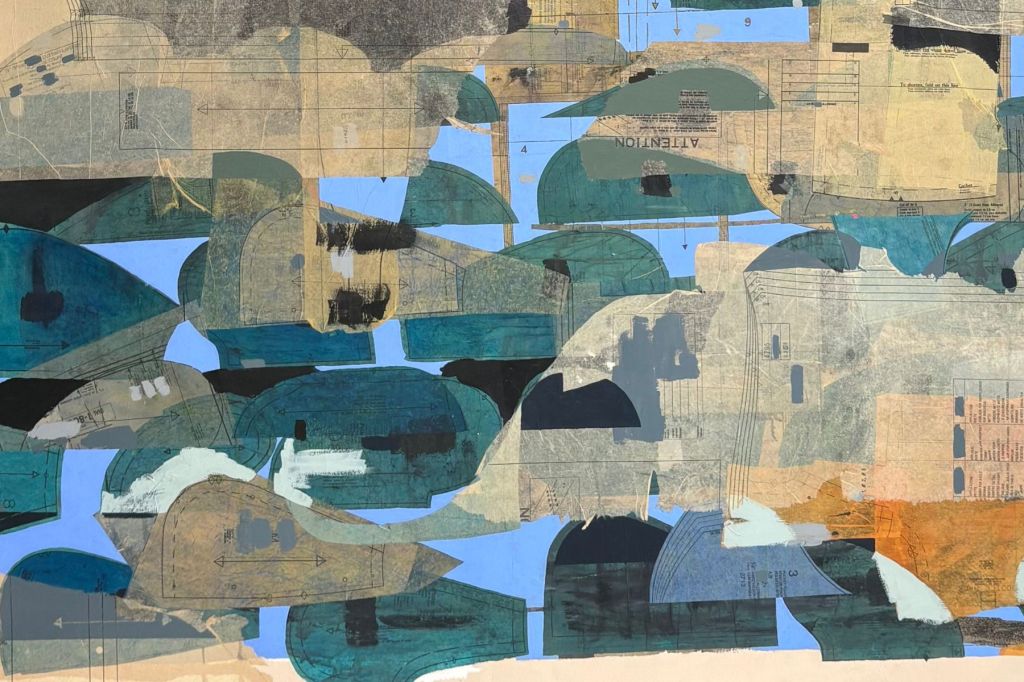
HOMO SAPIEN SAPIEN is a tripartite exhibition that explores societal structures throughout human history relative to human interrelations. Through the observation of social conventions of various civilizations, Natalia Garcia-Lee deduces patterns relating to the organization of humans based on sex, age, reproductive ability, skillset, class, body part and occupation. Her works create visual abstractions of Homo sapiens sapiens being mass-produced on a moving assembly line, thus becoming unit-humans: beings whose purpose is to fulfill their pre-assigned tasks. The repetitive characteristic of the assembly line embodies a sense of similitude in human behavior, perceived identity and societal conventions.
Garcia-Lee’s work thematically surveys human behavior, invoking an array of mediums to divulge the methods and purpose behind our actions as a species. Her practice relies on epistemological observation, drawing from human experiments and historic events to act as focal points in her series-based works. The inception of HOMO SAPIEN SAPIEN lies in Garcia-Lee’s study of the modern moving assembly line, an invention whose origin is commonly attributed to Henry Ford of Ford Motor Company. She relates this revolutionary invention to societal structures and their patterns over time. Natalia Garcia-Lee observes that individuality is immaterial, and people are but units of a particular build and purpose, functioning to fulfill societal needs above one’s own.
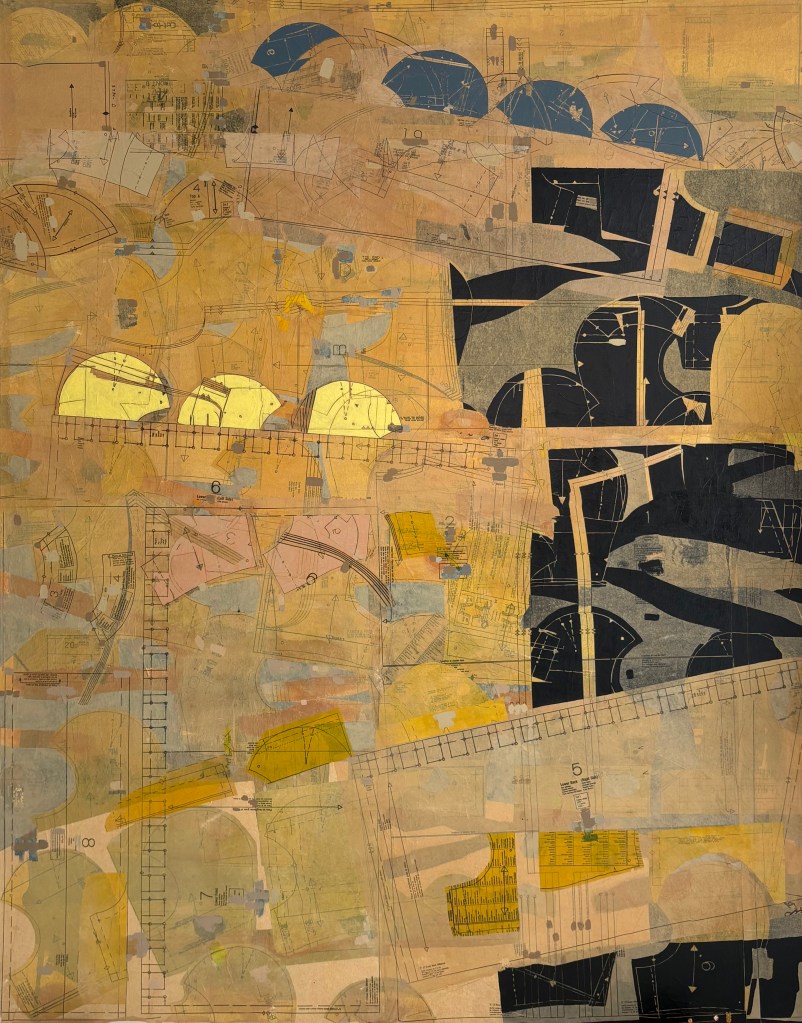
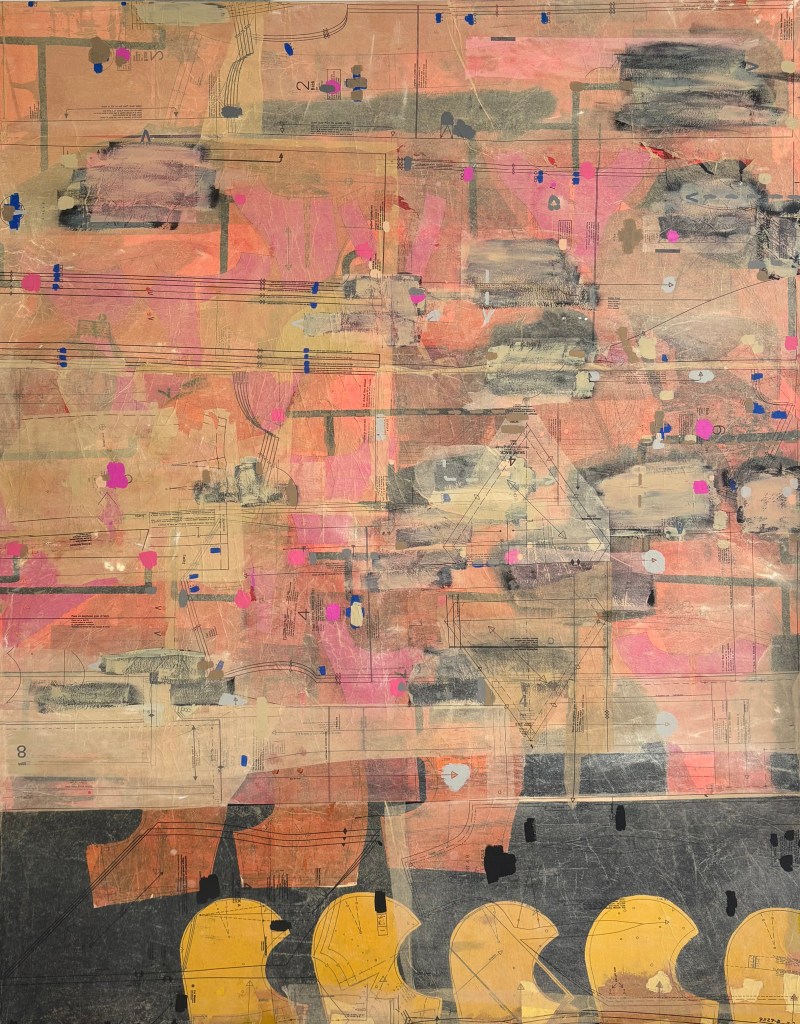
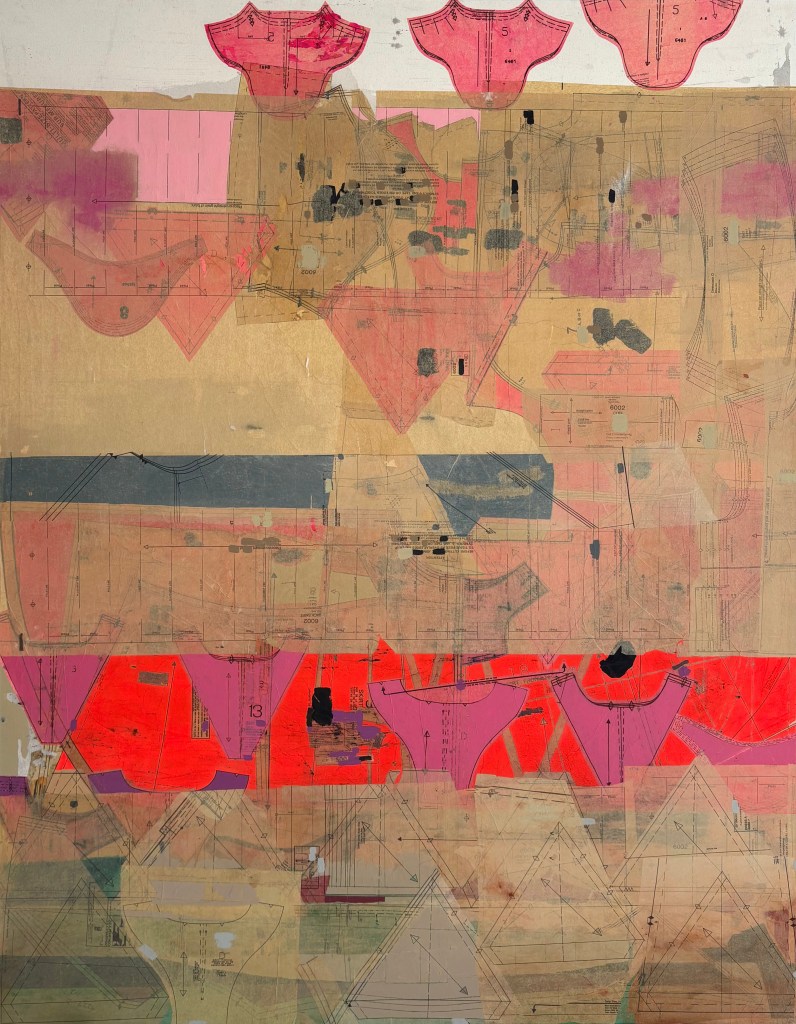
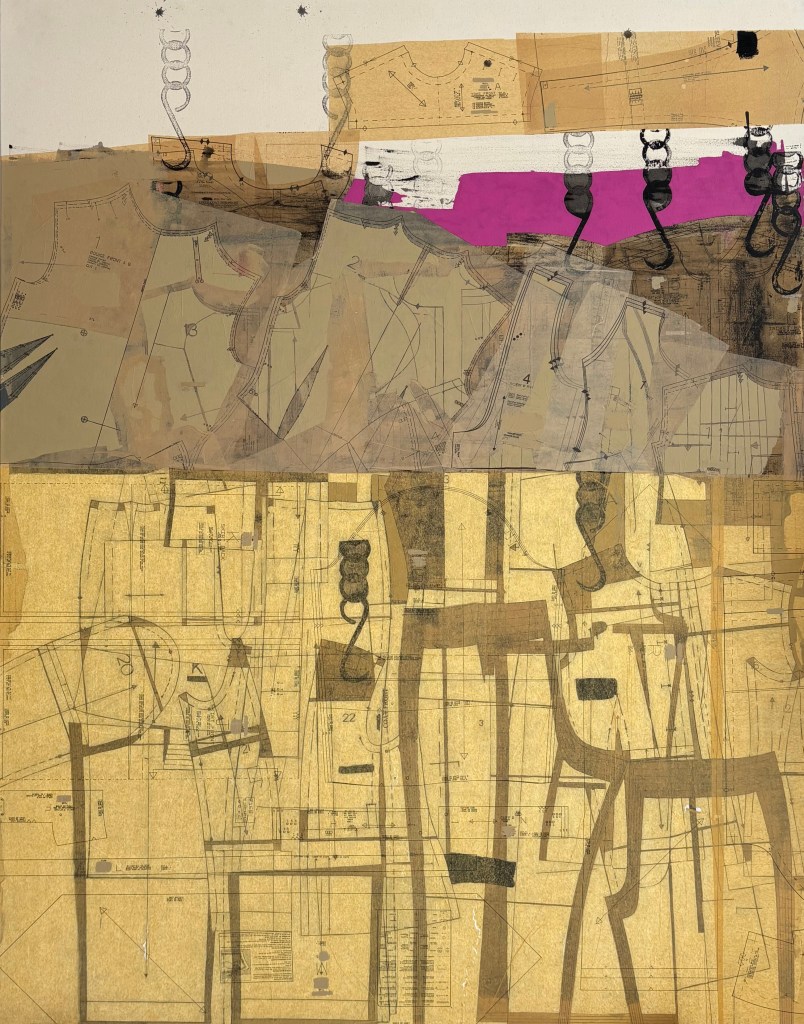

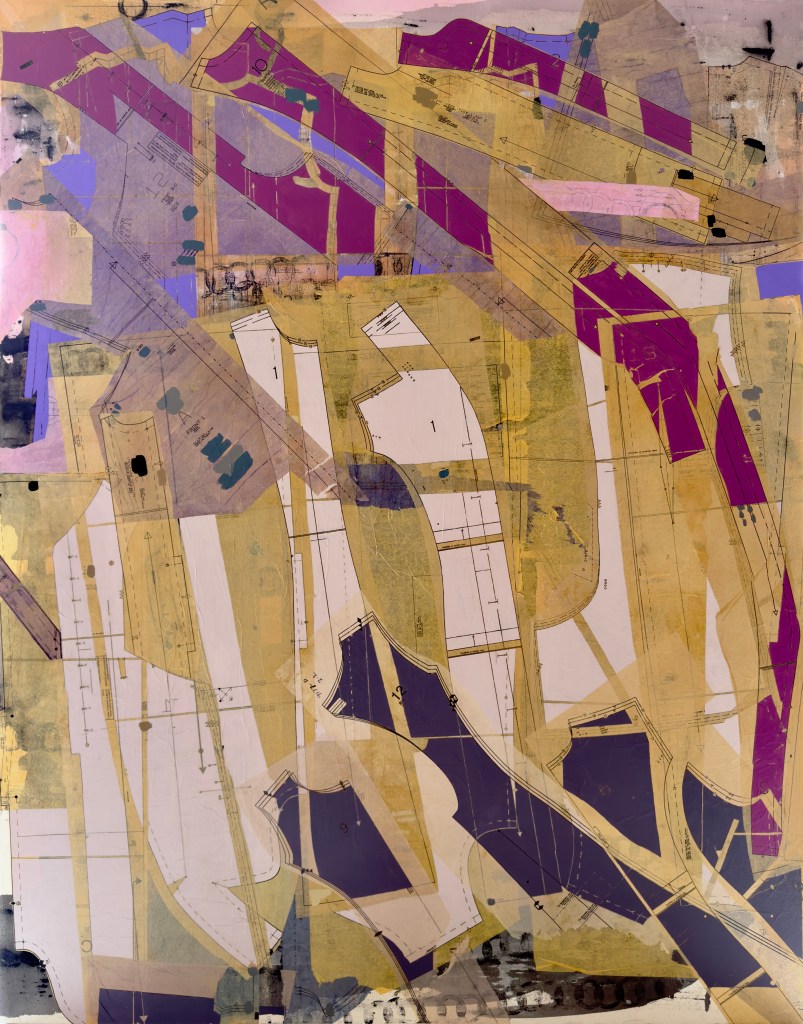

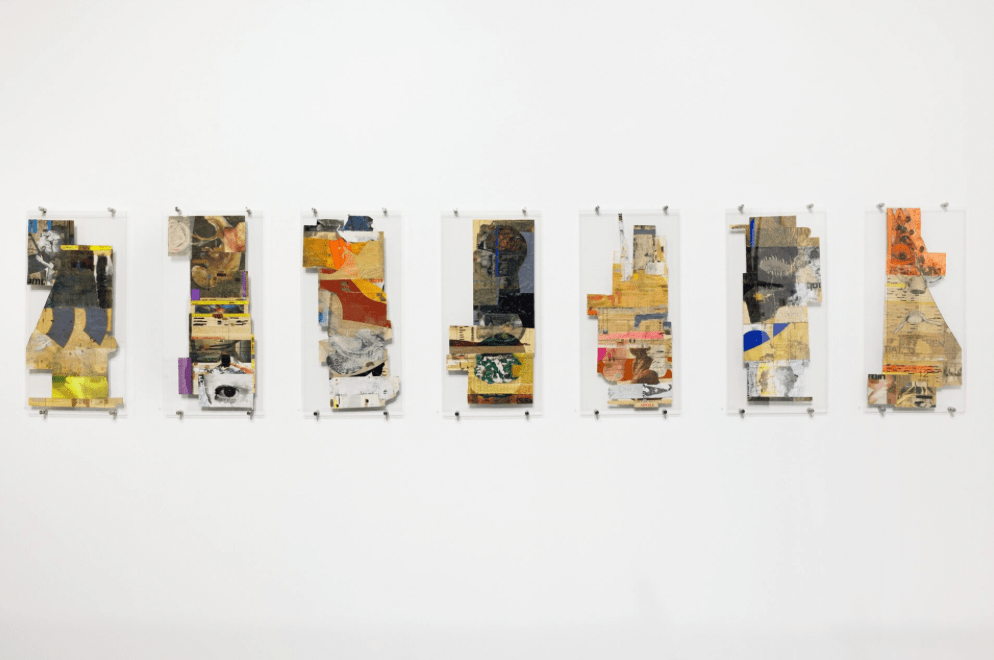
HOMO SAPIEN SAPIEN consists of eight large mixed-media works on canvas, twenty-four mixed-media collages and fourteen mixed-media jewelry collars. Each of these three sub-bodies of artwork explore human categorization from a different starting point.
Two-dozen collages act as work orders for human body parts, the conglomeration of which is one unit-human. Although there are attributes of human anatomy made explicit in the collages, such as eyes, ears and hands, any unique traits are expurgated to reinforce the dissolution of the individual. intersystem signal transmission acts as directions for the assembly line to appropriately produce a single functional nervous system. The directions are intentionally illegible and all writing has been redacted for the production process to be standardized and objective.
Anatomically correct body parts become increasingly metaphysical in the series of eight canvas-based works. Each canvas represents a male or female unit-human in a phase of their life relative to their sex, reproductive capacity, lifespan, and skillset. Diagonal lines travel lengthwise along the works, representing the assembly line that unit-human parts locomote through. The unit-humans are symbolized by geometric lines, semi-monochromatic colors and two dimensional shapes. NEW PRODUCT exemplifies this concept, as the yellow heads that recur diagonally across the work are newborn heads. Yellow is the color that represents a fetus of unknown sex. Therefore, the color has been transposed to the small helmet heads to achieve uniformity among NEW PRODUCTS, also known as new unit-humans.
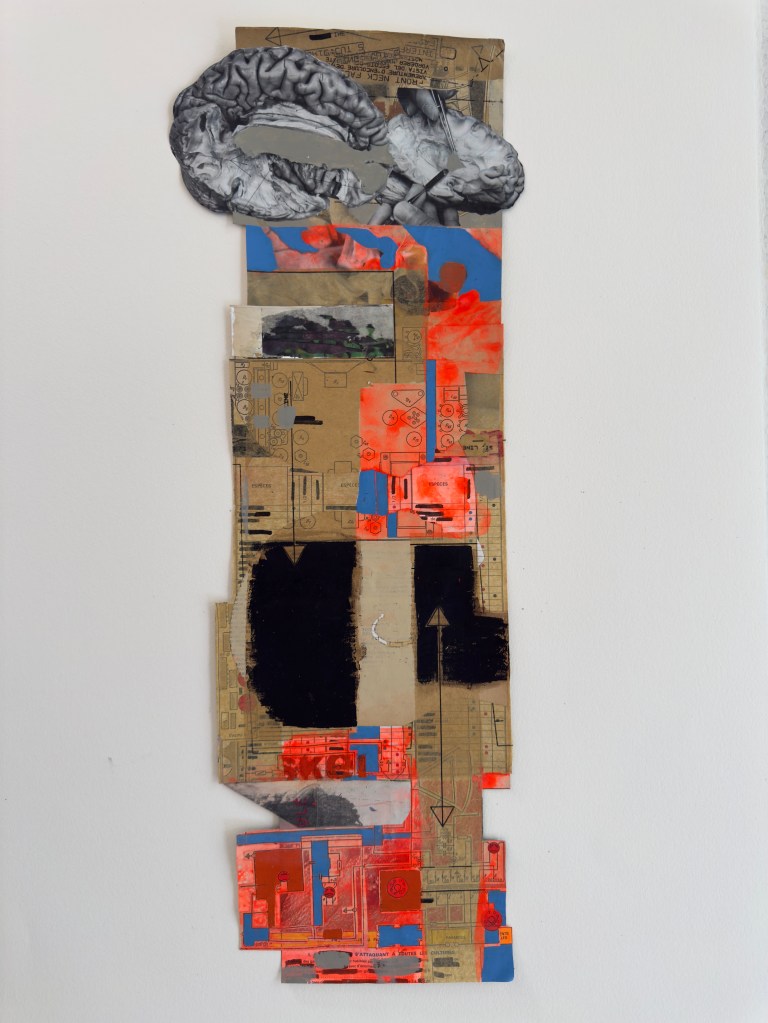
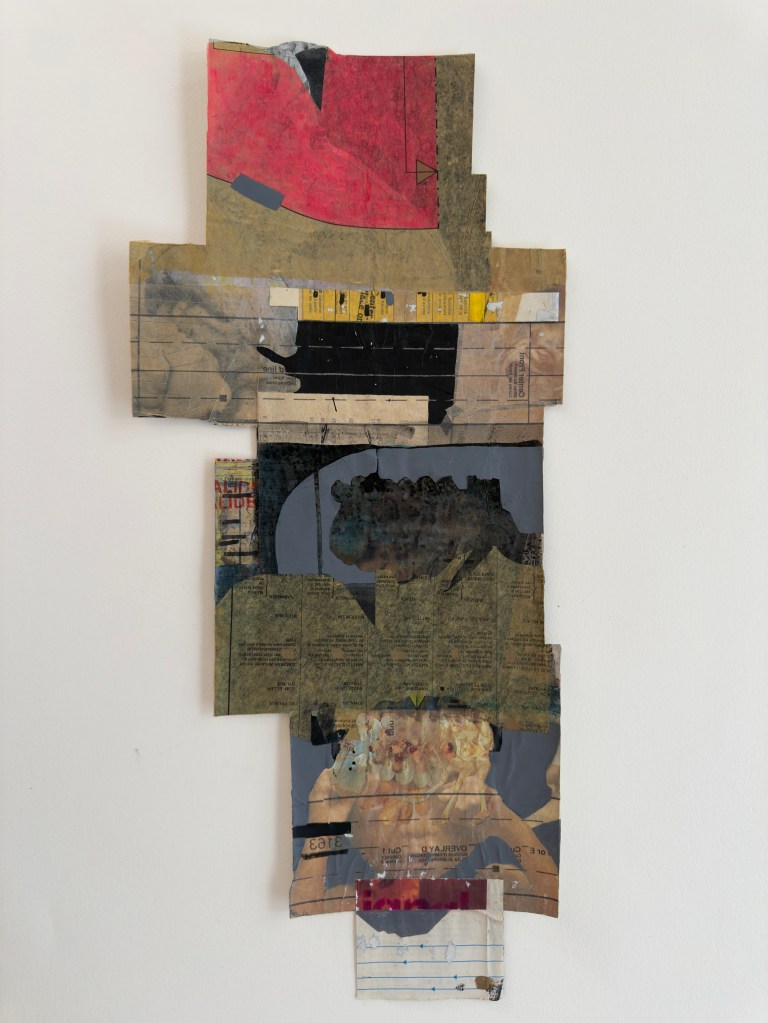
ambulatory lower extremity, 2025 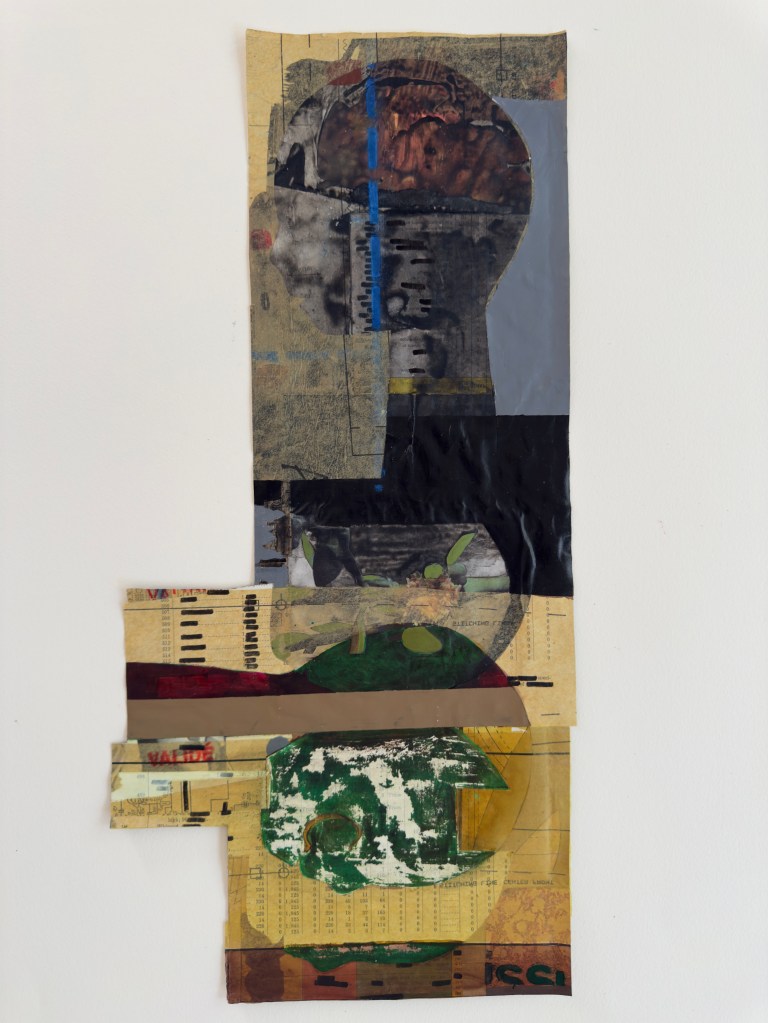
delivery system to other systems, 2025 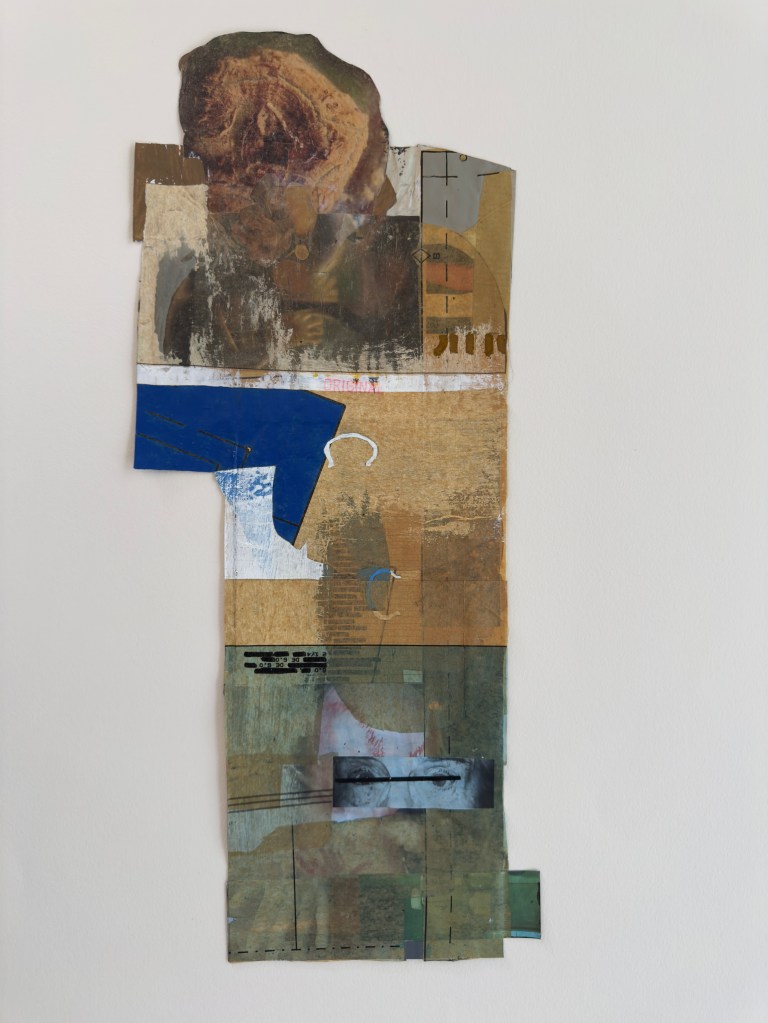
general assembly area, 2025 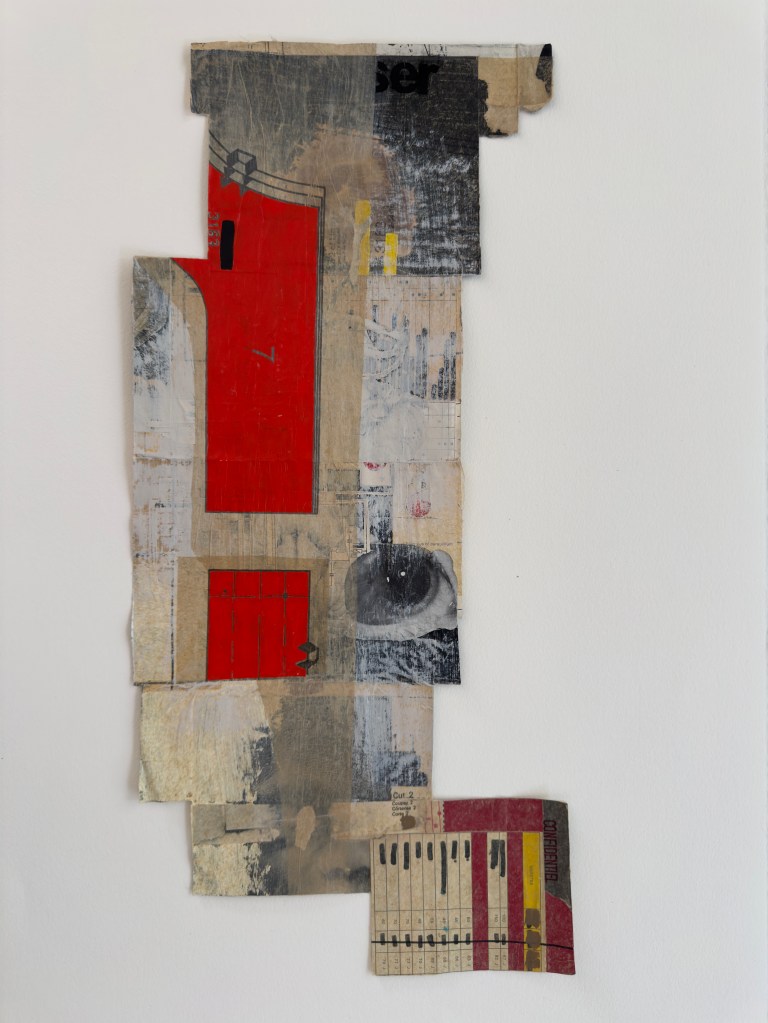
general drainage, 2025 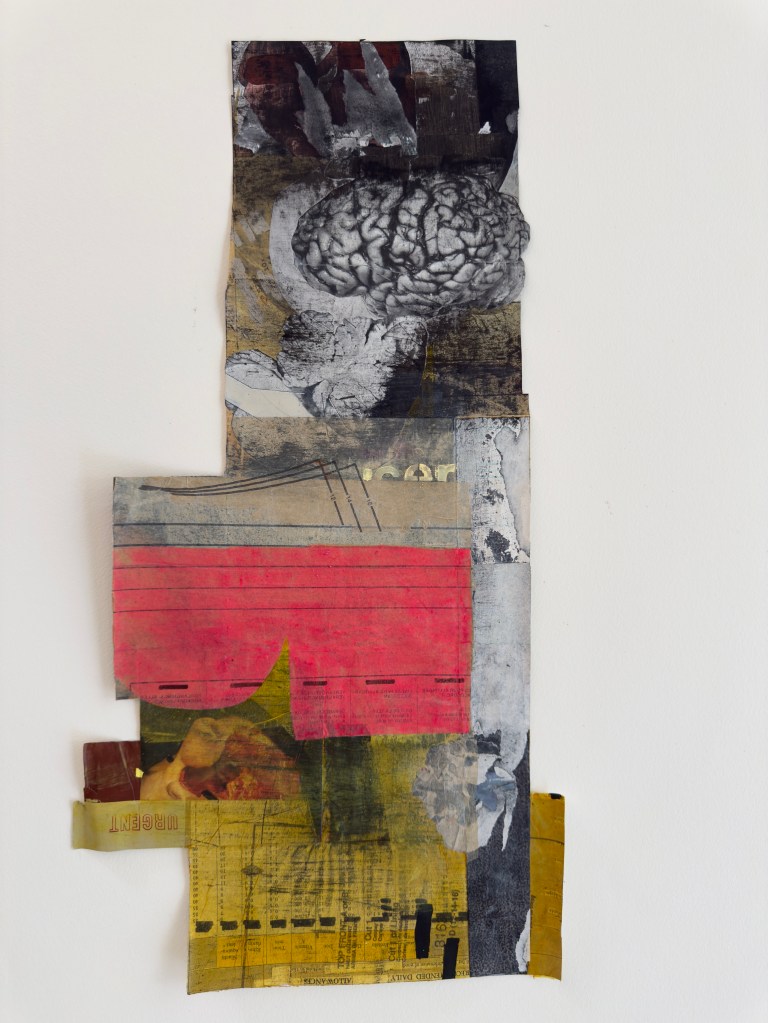
general regulation of subsidiary systems, 2025 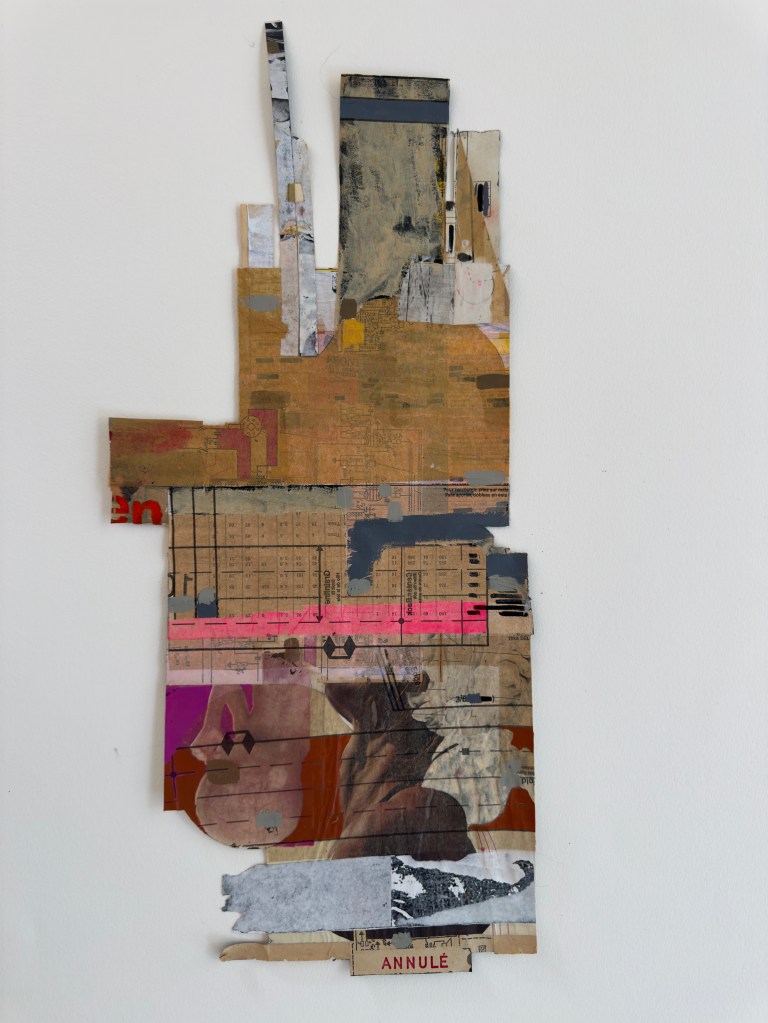
intake auditory cavity, 2025 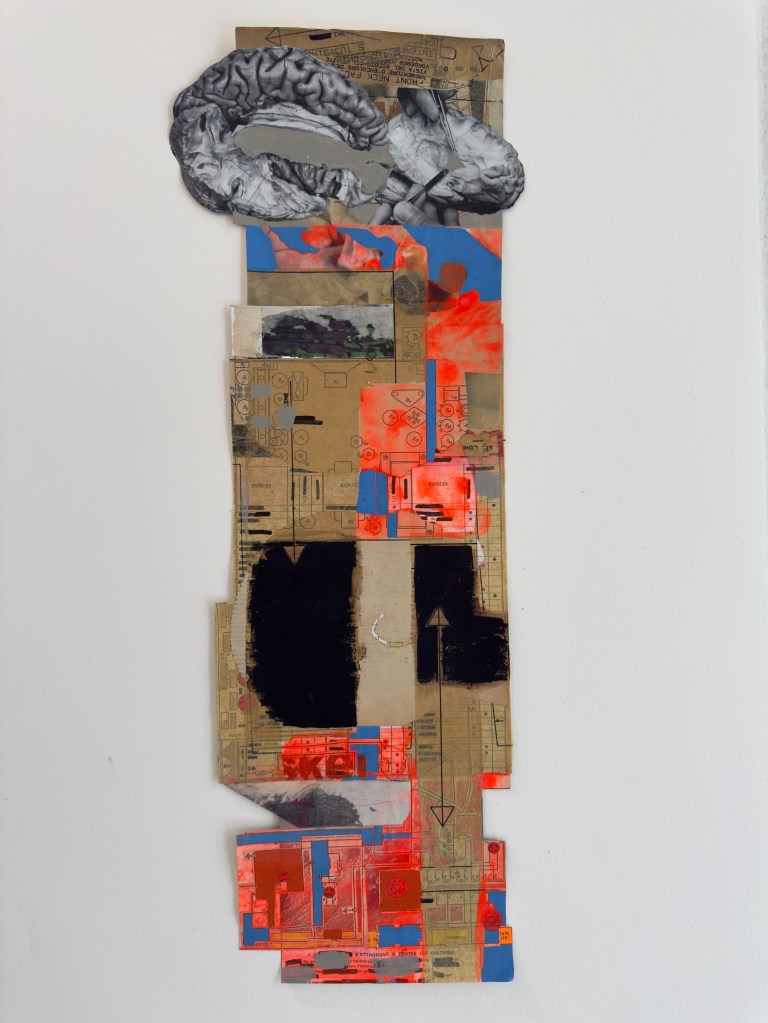
intersystem signal transmission, 2025 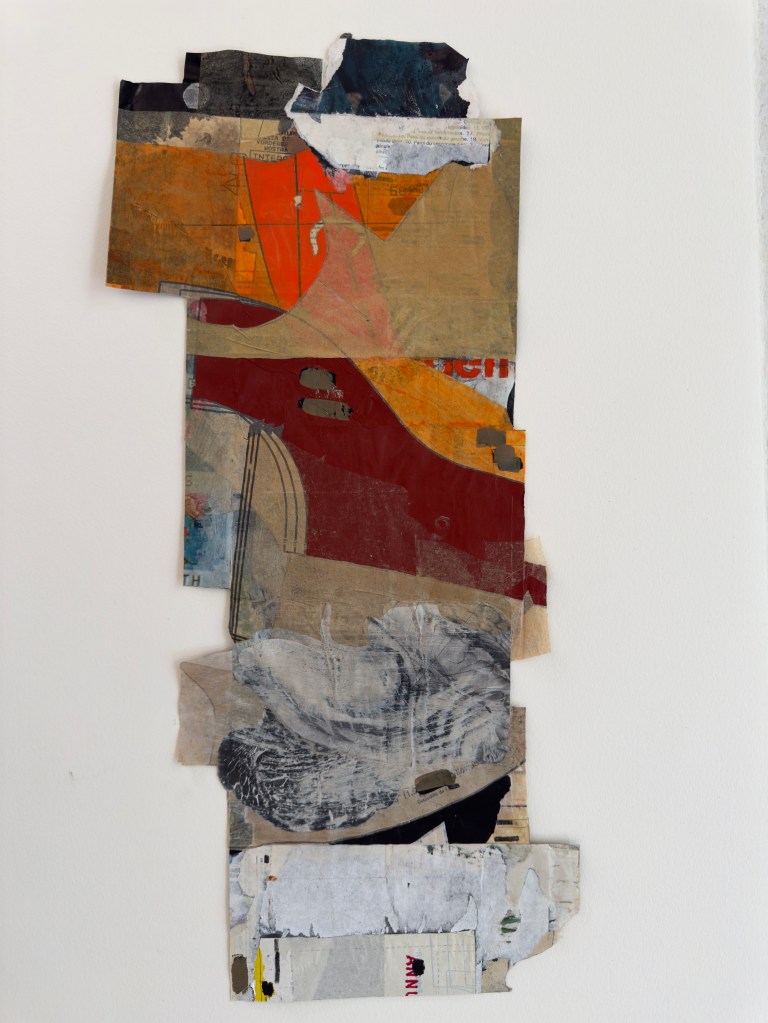
lesser gamete delivery apparatus, 2025 
outer tissue covering, 2025 
perceive olfactory changes information, 2025 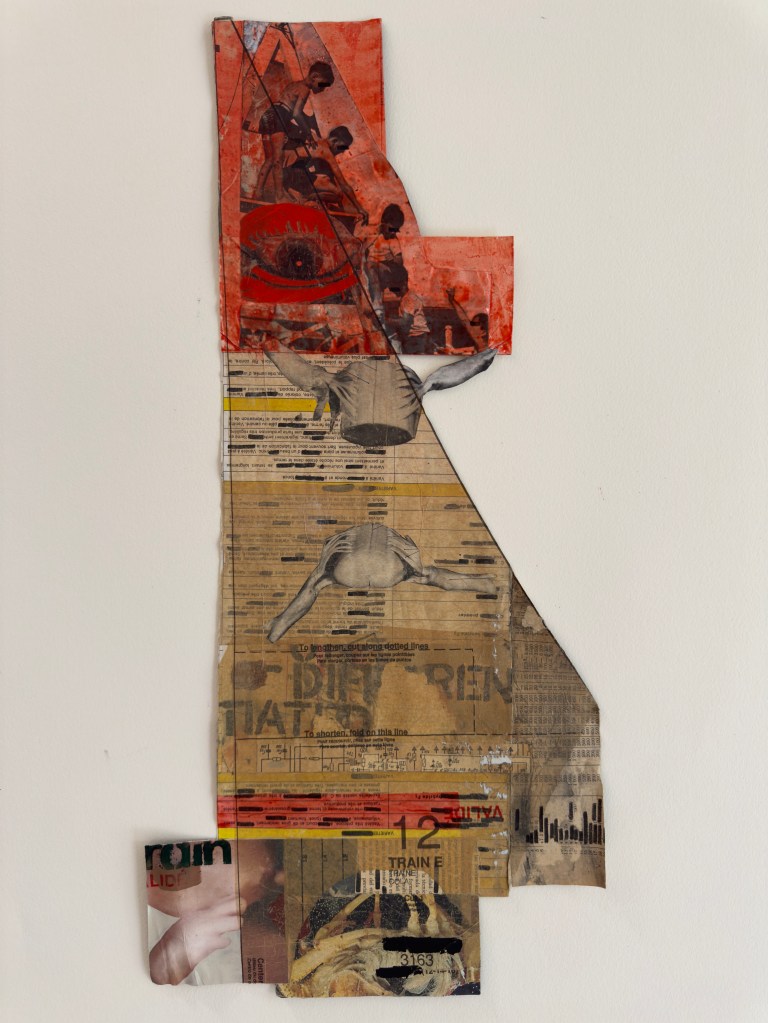
perceive visual information, 2025 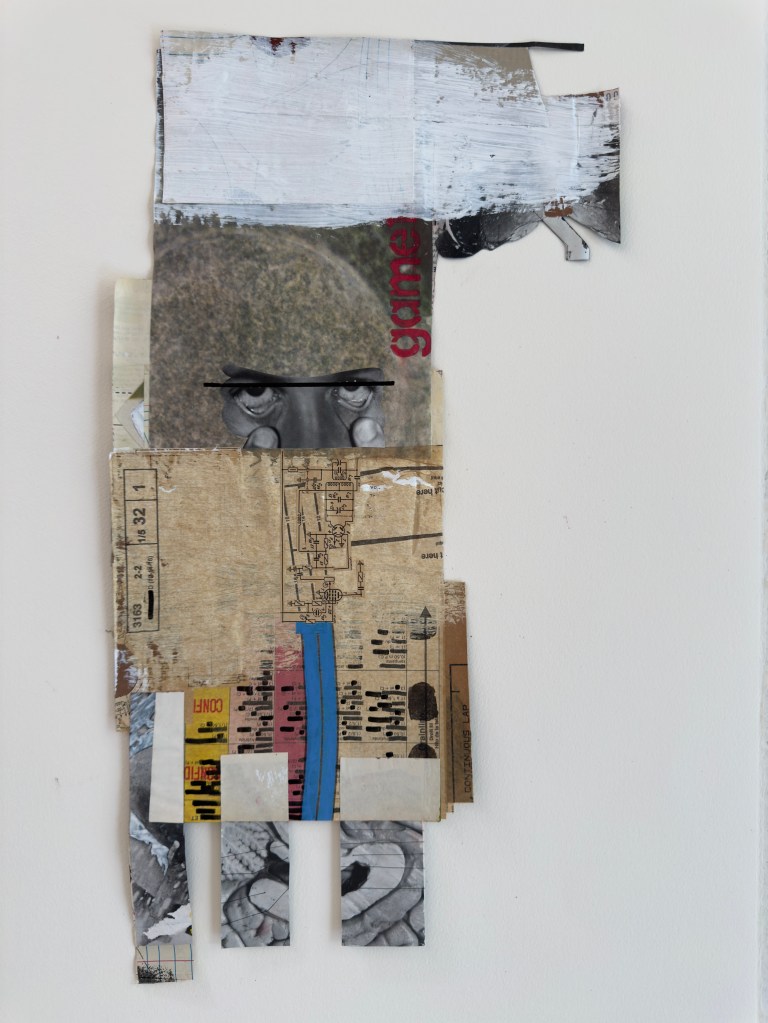
primary circulation pump, 2025 
central control, 2025 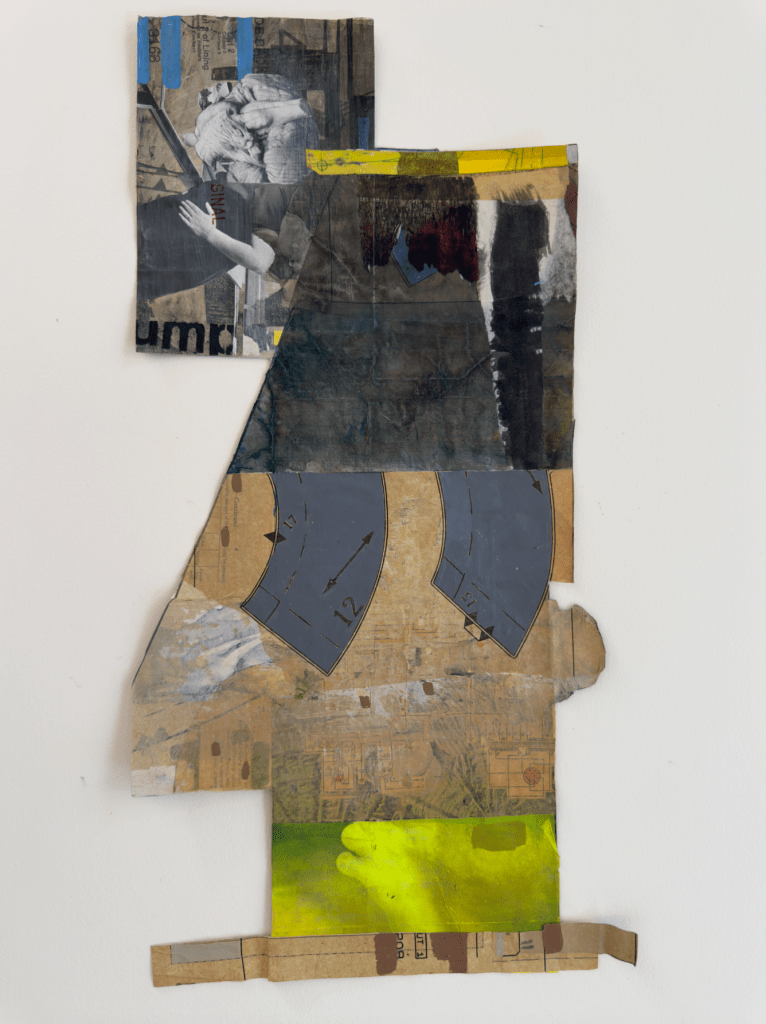
filament covering, 2025 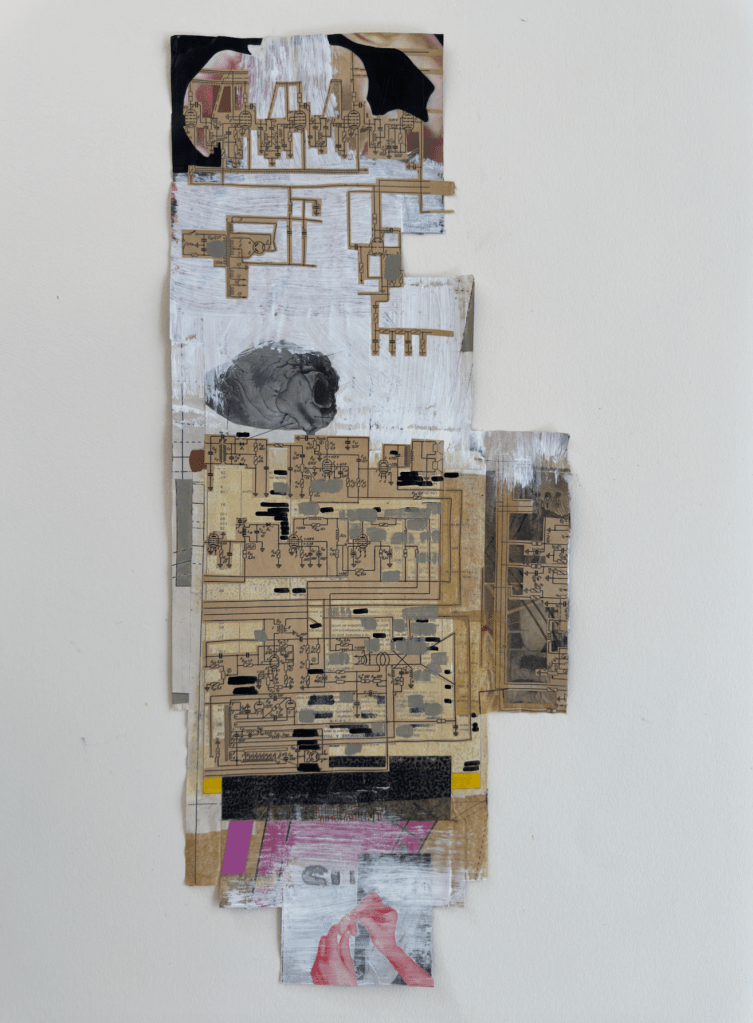
gas processing center, 2025 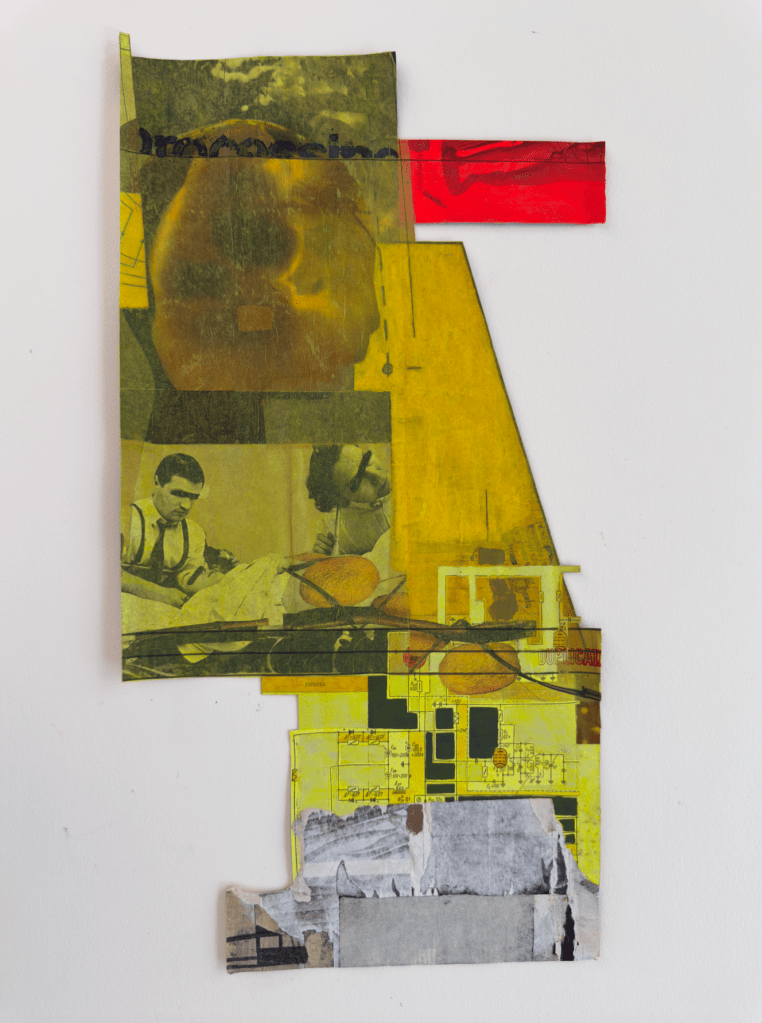
input processing waste discard, 2025 
lesser gamete producer, 2025 
liquid systems lubricant, 2025 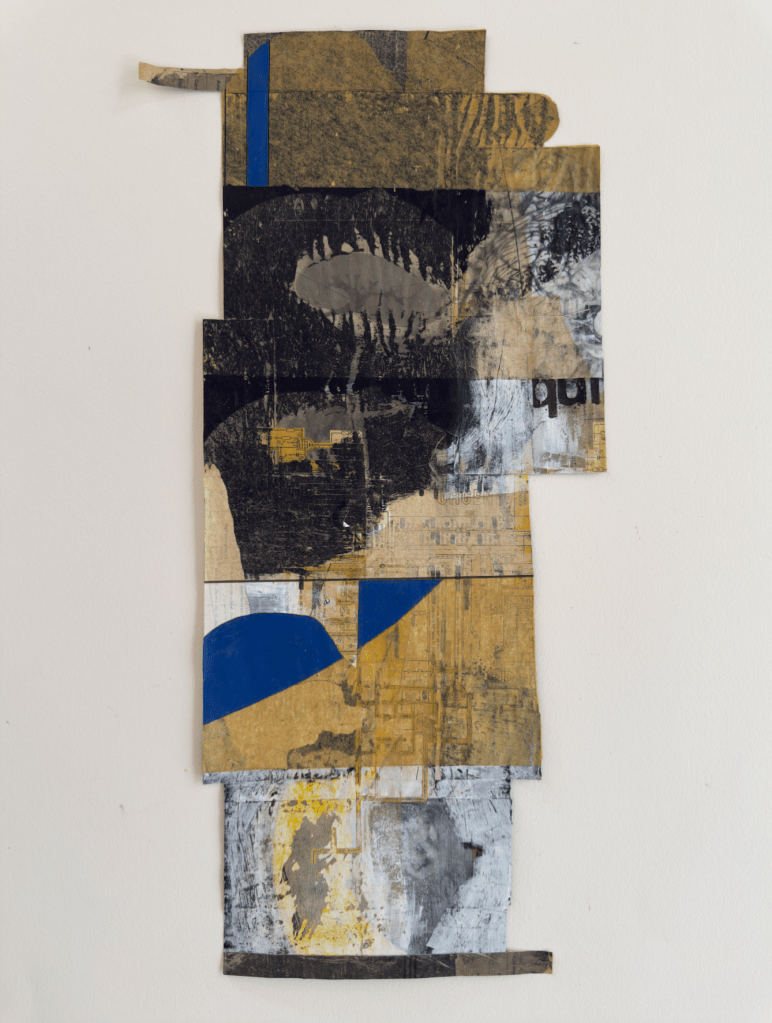
perceive propagating vibration balance management, 2025 
support structure ambulatory system, 2025 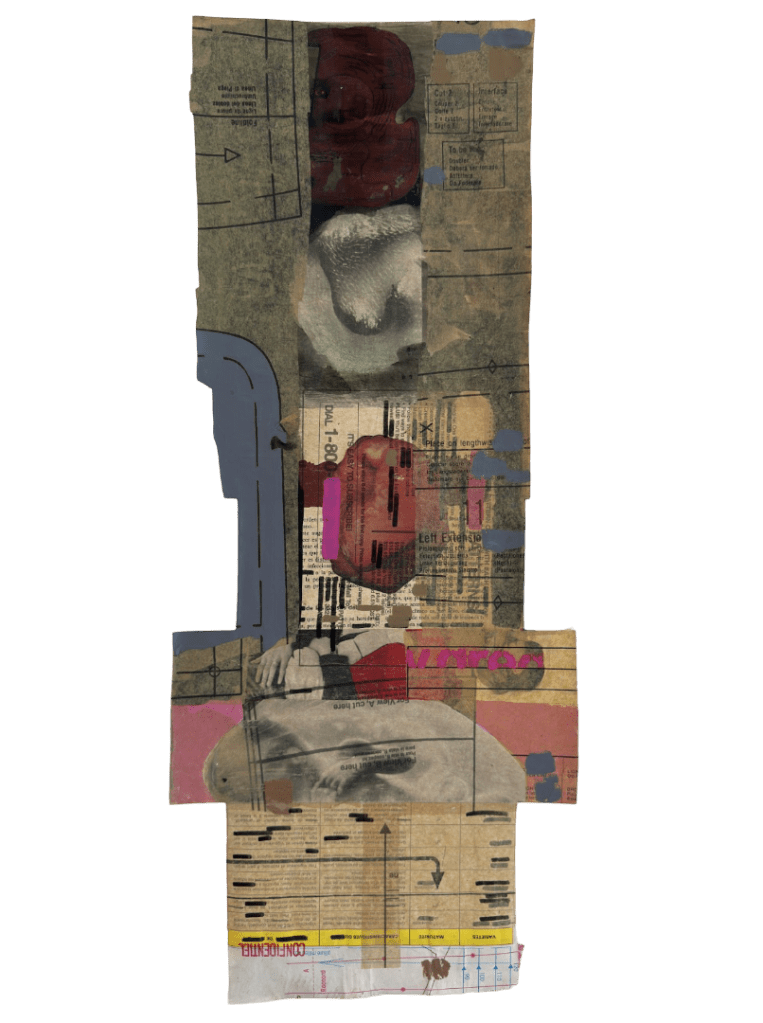
primary information corridor structural support, 2025 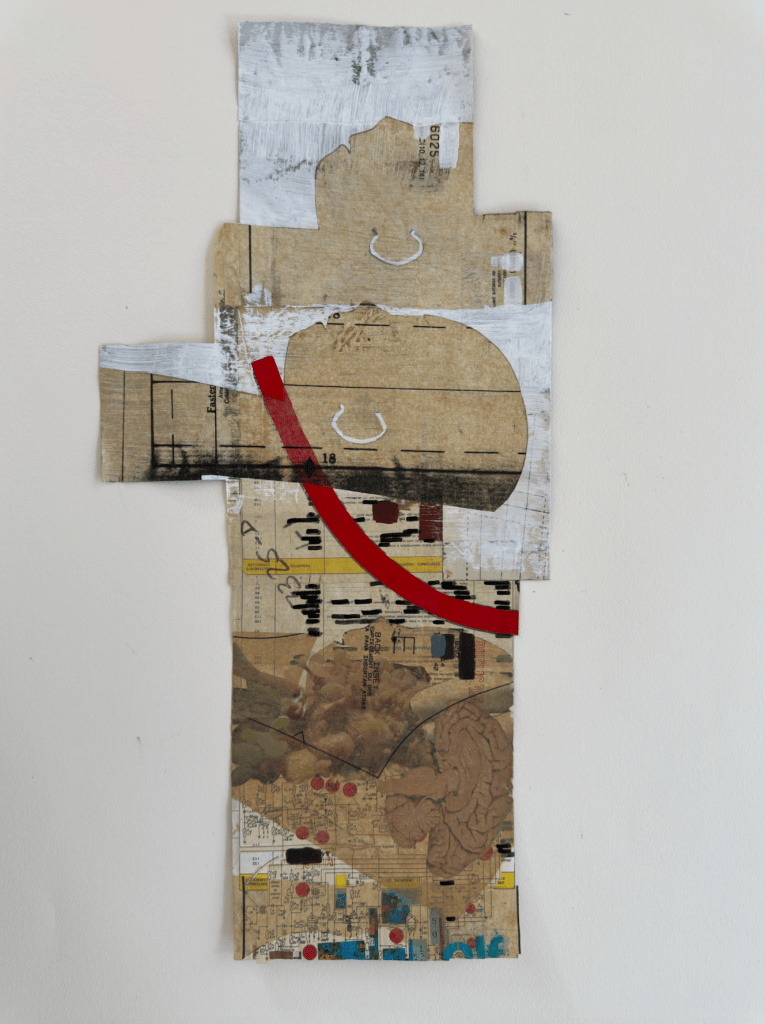
upper extremity, 2025

Color also plays a large role in the fourteen monochrome jewelry collars, which transport Garcia-Lee’s analytic artwork into the third dimension. Collars, tags and other fastening devices are used globally, in combination with color schema, to designate categories of mass-produced objects: some major examples being livestock and food items. Garcia-Lee uses this universal organizational tool to designate the job of unit-humans. Each monochrome collar signifies a particular occupation; the black collar designates the unit-human as an industrial worker, while the green collar indicates the unit-human is an environmental worker.
Antique tissue paper links the three sub-bodies of work. The paper was initially intended to be directions to sew clothing for men, women and children. The tissue paper now functions as the catalyst of all unit-humans, further systematizing the assembly line process. Garcia-Lee draws a visual corollary, based on texture, between the paper and the under-layers of human skin, a ubiquitous organ, ultimately relating HOMO SAPIEN SAPIEN to the entire human race.
Through the use of various mediums and observation of numerous civilizations, Natalia Garcia-Lee’s work exemplifies unity among the human species, so embedded in human nature that the concept of the individual becomes secondary to the existence and function of society. Humans do not act as singular participants in a massive social system in HOMO SAPIEN SAPIEN, but instead are the system itself, and cannot be removed from the whole. HOMO SAPIEN SAPIEN questions the fundamentals of the one in relation to the many. Does society consist of individuals, or does it merely consist of a series of circumstances conducive to interrelations?
Written by Amaranta Mattie
Publications and Media
ART REVIEW: NATALIA GARCIA-LEE: HOMO SAPIEN SAPIEN AT MDC, KENDALL ART GALLERY
 Natalia Garcia-Lee